

Creative Healing for
Mind, Body & Spirit
Art grants us tools to help make the internal, external when words may not be enough.
Art therapy is a gentle, creative form of psychotherapy that uses art-making as a way to explore emotions, experiences, and patterns that can be hard to access through words alone. Using materials like paint, pastels, clay, or collage, the creative process allows insight and understanding to emerge naturally, often in ways that feel more intuitive and embodied.
You do not need to be “artistic” to benefit from art therapy. The focus is not on the finished artwork, but on the experience of creating and what unfolds along the way. Making art can support nervous system regulation, reduce stress, and help build awareness, self-compassion, and resilience.
Art therapists are master’s-level trained clinicians with specialized training in both psychotherapy and the visual arts. They offer a safe, supportive, and collaborative space where creativity becomes a tool for healing, growth, and self-connection.
Art therapy can be helpful for navigating anxiety, trauma, grief, life transitions, and moments of feeling stuck or disconnected. It is especially supportive for those seeking an approach that goes beyond talk therapy and invites curiosity, presence, and deeper connection to the self.
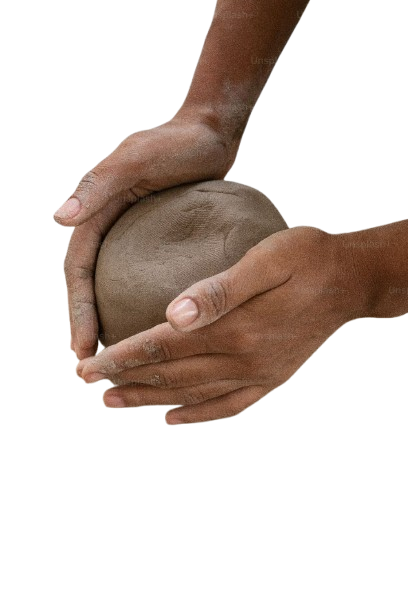
What is Art Therapy?
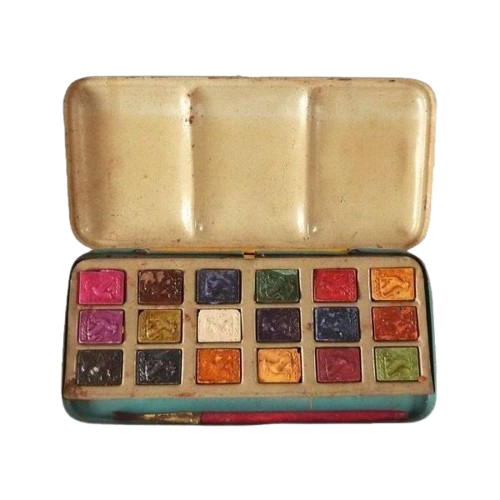
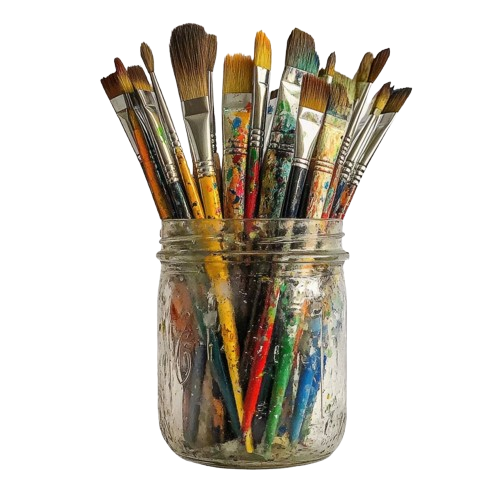

Clinical vs Non-Clinical Art Therapy
We offer both clinical and non-clinical art therapy, so you can find the approach that feels right for you.
Clinical Art Therapy
Clinical art therapy is a mental health service. It’s for people who want to explore emotions, work through challenges, and support healing or personal growth with the guidance of a trained therapist. Sessions are one-on-one and tailored to your needs. We have experience supporting people with anxiety, depression, grief, trauma, and other mood or personality challenges. All of our individual sessions are clinical art therapy.
Non-Clinical Art Therapy
Non-clinical art therapy is more flexible, casual, and community-focused. Offered through groups and workshops, these sessions provide a supportive space to make art, connect with others, and explore creativity in a relaxed way. These sessions are open to anyone and can be accessed from anywhere in the world!
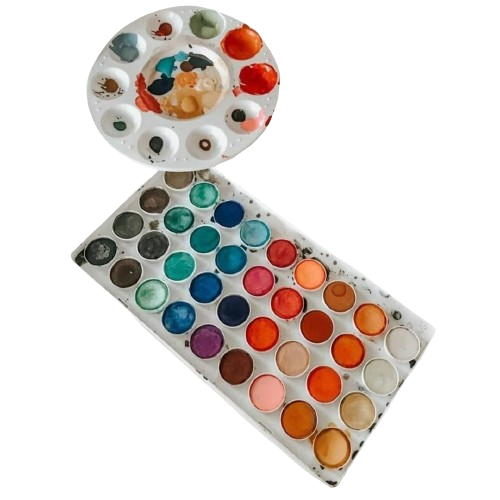
How Does Art Therapy Work?
Art therapy engages the whole person — body, mind, and nervous system — in ways that talk therapy alone often can’t. Creating with materials like paint, clay, or pastels activates parts of the brain not tied to language, helping access thoughts, emotions, and experiences that are hard to put into words.
The process is bottom-up and somatic, meaning it starts with sensation, movement, and embodied experience rather than just cognition. Making art invites curiosity, exploration, and gentle experimentation, allowing insight and awareness to emerge naturally. It is process-based, not about artistic skill, and focuses on what your body and mind need in the moment.
The artwork becomes a tangible reflection of your inner world — something to explore, notice, and reflect on. This can help revisit the past to uncover more empowering stories, gain clarity about the present, and imagine new ways forward. Art therapy is especially helpful for trauma, feeling stuck, or navigating difficult emotions, offering a safe, experiential path to self-understanding, regulation, and growth.
Is Art Therapy Right for Me?
Art therapy is a supportive, creative way to explore thoughts, feelings, and experiences—especially when words alone aren’t enough. Through guided art-making, you can express yourself, gain clarity, and build insight in a safe, nurturing space. The process is experiential and body-based, allowing you to engage with your emotions and sensations in the moment rather than only through talking.
It’s for anyone looking to navigate mental health challenges, work through trauma, or simply embark on a journey of self-discovery and personal growth. Art therapy is not about artistic skill or perfection—it’s about using creativity as a tool to understand, care for, and connect with yourself.