
Child + Youth Art Therapy
Children learn how to think in symbols and images before they can express themselves verbally.

Child + Youth Art Therapy (5-17)
-
Art therapy isn't just fun—it's a powerful tool for helping kids understand and manage their emotions.
Through activities like drawing, painting, and sculpting, kids can express feelings that might be hard to put into words. It's like giving them a special way to process and release their emotions, helping them make sense of what they're experiencing.
And the benefits go beyond just feeling better. Research shows that art therapy can improve mood, boost self-esteem, and enhance overall well-being in children. Whether they're feeling excited, frustrated, or anything in between, art therapy offers a creative, supportive space for kids to grow and feel more confident about themselves.
-
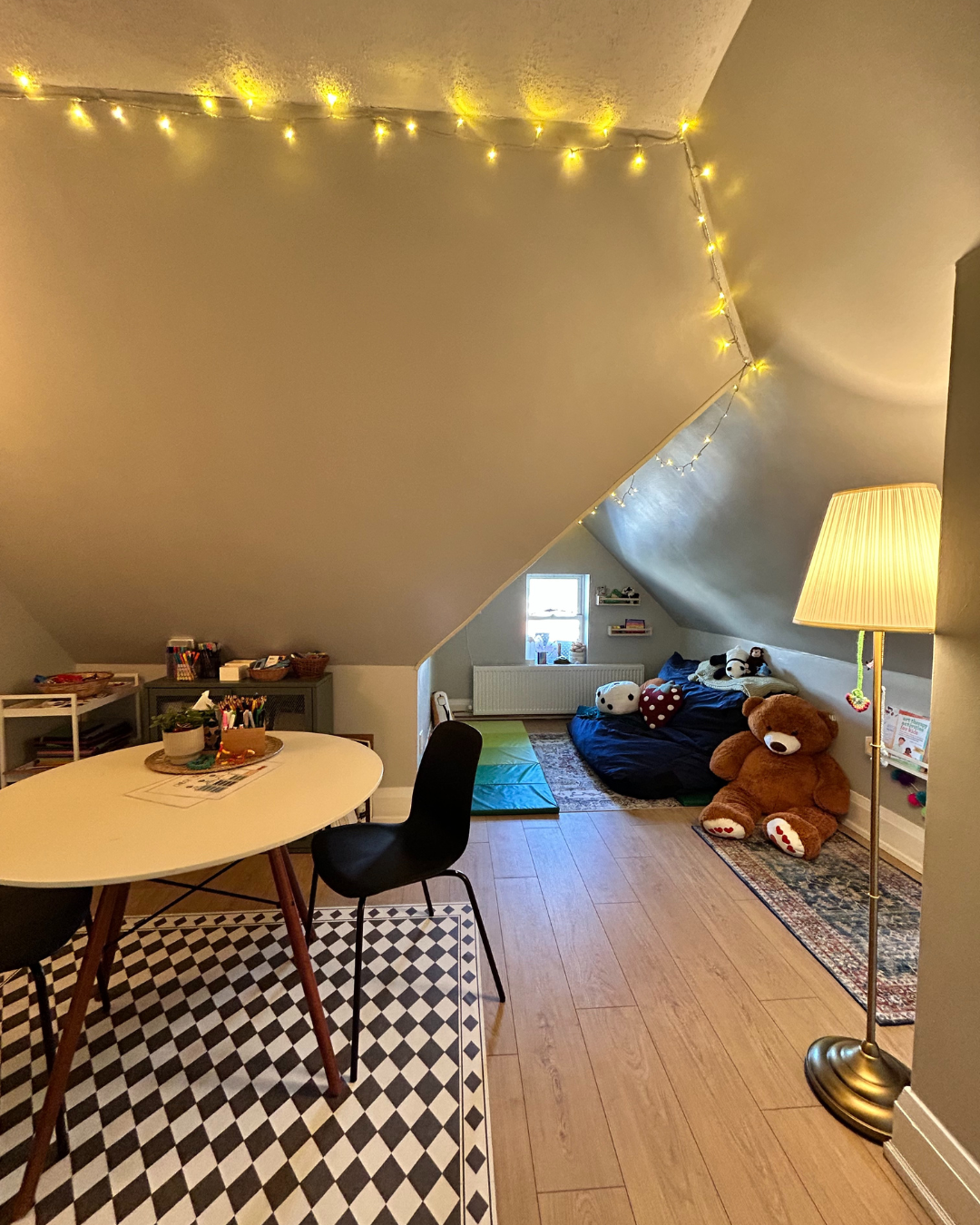
In my Hamilton studio, I offer art therapy sessions to humans 6+!
I also offer virtual sessions, however the minimum age is 9 years old!
-
As part of my commitment to supporting your child’s growth, I offer parent and caregiver consultations throughout their art therapy journey.
I understand how important it is for you to stay connected and involved in your child’s progress. That’s why I recommend check-ins after the first 4-6 sessions as a standard practice. These meetings give us the opportunity to discuss your child’s experiences, revisit their goals, and address any questions or concerns you might have.
I also believe in keeping the communication open between sessions. Whether it’s a phone call or a video chat, I’m here to ensure we’re working together to provide your child with the support they need to succeed and flourish.
-
To make art therapy more accessible for children and youth, I offer after-school session times that work around busy schedules.
I know how hectic life can get, so offering therapy sessions after school helps kids participate without missing class. And I’m flexible with scheduling, so if you have specific timing needs, I’m happy to accommodate.
Art therapy is a great way for kids to unwind after a full day of school. It provides a creative space to express emotions, process the day’s experiences, and shift into home time feeling more relaxed and centered.

Art therapy offers children and youth a safe, creative space to express feelings, build confidence, and develop emotional regulation, problem-solving skills, and resilience—supporting healthy growth and mental well-being.

A Bottom-Up Approach
When children haven’t fully developed verbal language, expressing emotions can be challenging. Art therapy offers a powerful way for kids to connect with their feelings and begin regulating them, even without words.
Using a bottom-up approach, we focus on how emotions show up in the body. Children might feel nervous with tight muscles, or sad with a heavy chest. Instead of talking about these feelings, we use somatic art to help children express and release them through creative activities. For example, a child might draw a shape or sculpt an object that represents how they feel, helping them process emotions in a safe, non-verbal way.
Why It Works:
Body Awareness: Children tune into physical sensations (like tightness or tension) to recognize emotions.
Emotional Release: Art allows children to express feelings through drawing, painting, or moulding, which helps them release emotional energy.
Autonomy and Curiosity: Process art (focus on the experience, not the end result) lets children explore freely, fostering a sense of control and self-discovery.
Building Coping Skills: By choosing materials and methods, children learn to manage big feelings in a creative, empowering way.
How You Can Help at Home:
Encourage your child to explore art materials and express their emotions freely. You don’t need to focus on the "perfect" art; instead, create a safe space where they can play, feel, and express whatever comes up. Process-art can help your child build emotional awareness and develop healthy coping strategies, even before they have the words to explain themselves.
Did you know…
Art therapy is a research-backed approach to supporting emotional well-being in children and youth, helping them process and understand their feelings in a creative, therapeutic way.
Art-making activates different brain areas, which aids in emotional regulation and self-expression, giving kids an outlet to process complex emotions they might not have the words for.
Using a “bottom-up” approach, art therapy focuses on bodily sensations and sensory experiences, allowing children to heal and grow by connecting with their emotions through their bodies.
Art materials allow kids to express emotions non-verbally, offering a safe way for children to explore their feelings without the pressure of verbal expression, especially beneficial for those who are still developing language skills.
Each material, from crayons to clay, offers unique benefits, such as providing calming sensory input, promoting fine motor skills, and offering creative freedom to express a wide range of emotions.
Art therapy is trauma-informed, meaning it takes into account the child's past experiences and emotional safety. The approach is gentle, flexible, and patient, allowing children to process trauma at their own pace without feeling overwhelmed.
Sessions provide a safe, non-judgmental space, where children can express their innermost feelings, build resilience, and boost self-esteem, fostering a sense of control and empowerment through creativity.
Curious about how art therapy can benefit your child? Reach out today for a consultation!